Chemistry, Engineered for Tomorrow

WHO WE ARE

Ascent Petrochem Holdings Co., Limited

Ascent Petrochem Holdings Co., Limited
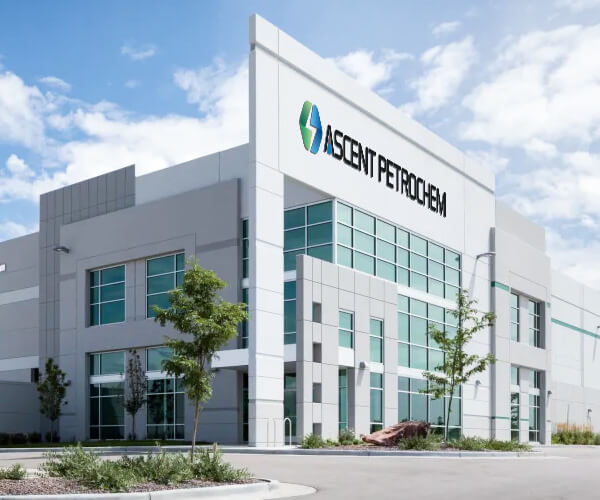
Ascent Petrochem Holdings Co., Limited has been deeply involved in the elastomer field for many years, focusing on the research and development and supply of synthetic rubber, specialty rubber, and TPE products, providing stable and high-quality elastomer solutions. With its...
Ascent Petrochem Holdings Co., Limited Ascent Petrochem Holdings Co., Limited

Our Culture

Ascent Petrochem Holdings Co., Limited

Culture

Provide customers with more valuable chemical supply solutions

Ascent Petrochem Holdings Co., Limited

Core Values

Putting oneself in others' shoes, achieving mutual benefits for employees, customers, and shareholders

Ascent Petrochem Holdings Co., Limited

Business Philosophy

Take the market as the navigation mark and the customer as the center

Ascent Petrochem Holdings Co., Limited

Corporate Mission

Create value for customers, employees, and shareholders
Applications

Blogs & News

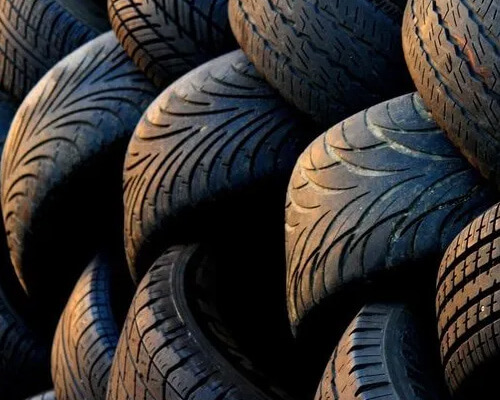
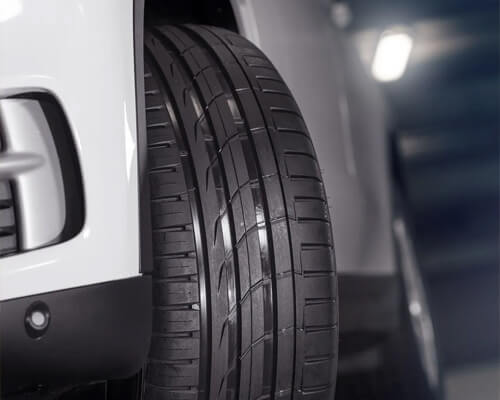
Steady growth in demand for Styrene Butadiene Rubber (SBR) is driving continued upgrading in the tire and rubber products industry.

Steady growth in demand for Styrene Butadiene Rubber (SBR) is driving continued upgrading in the tire and rubber products industry.

Factories that turn out tires and everyday rubber goods have felt the push for upgrades lately. It’s not hard to spot what’s stirring things up: steady demand for styrene butadiene rubber, or SBR. Take a walk through a tire plant, and you’ll see managers eyeing new mixers, presses, and more precise machinery. Many workers grew up with the smell of latex and sulfur. Now, they learn about automated blenders and energy-efficient reactors. A regular workday means blending rubbers with careful measurement, using more SBR than before. Instead of worrying about old belts snapping on dusty conveyor lines, teams look for real-time data showing if a batch is running off spec. The technology rush isn’t about showing off. It’s tied to big contracts from car companies, all chasing longer-lasting tires with fewer recalls. SBR became important once global automakers started measuring tire life in kilometers instead of months, and nobody wants a blowout on a highway. The demand for road safety, mixed with rising standards, put the industry on high alert.From my years around rubber plants, I’ve seen how natural rubber fell out of favor once supply chains got shaky. Fungus outbreaks in Southeast Asia and price swings left buyers uneasy. SBR steps up because it isn’t grown on faraway plantations — it gets made in tanks and controlled environments. The stuff handles heat better than old-school rubber, and it doesn’t get brittle on winter roads. I’ve listened to truck drivers in lunchrooms swapping stories about tires lasting another season, mostly thanks to chemical tweaks with SBR. That’s not just sales talk; numbers back it up. Big tire makers report consistently fewer cracks, and tread wear tests show fewer early failures. Cities growing bigger, more cars heading out each morning — the pressure on materials never lets up. SBR answers that by staying affordable, even when oil prices dance up and down. It resists aging in a way natural sap never will, so tire guarantees now cover more kilometers than my parents’ generation imagined.The drive for SBR doesn't just reshape how factories run; it brings health and sustainability concerns into sharper focus. Folks working long shifts around older rubber compounds faced air thick with dust and odor. Upgrades come with safer handling systems and better air filtration, which means less trouble breathing and fewer chemical headaches. Green-minded customers want tires that last but also break down faster at the end of their lives. SBR blends now include recycled content — shredded treads get chopped and mixed back in. Companies have started investing in cleaner processes, reducing the solvents that drift into nearby neighborhoods. Gone are the days when riverbanks ran black after heavy rain. Regulations push for lower emissions in every batch, and nobody wants to get caught dumping old solutions in back lots. Products with less rolling resistance don’t just help drivers save money at the pump, they also lower tailpipe emissions on a grand scale. It’s a cycle: greener factories feed greener streets.In times past, rubber sourcing looked straightforward: raw material came in big bales, often from another continent. SBR changed the rulebook. Blending in regional chemicals cut wait times and softened the blow of trade disputes. Plenty of plant managers grew tired of hearing about hurricanes stalling shipments out of distant ports. They’ve built closer partnerships with chemical firms down the road, shrinking lead times from months to weeks. Supply chain staff move quickly to lock in deals for butadiene and styrene the moment they see inventory slide. Big names now track every shipment on screens, flagging hiccups before a line grinds to a halt. An outage at a single refinery used to mean empty silos; now, backup plans keep lines moving. Tire shops in remote towns worry less about shortages, and city fleets keep wheels on the road.Every plant I’ve seen that switched to more SBR had to invest in training. It’s not enough to bolt new equipment to old floors. Workers learn new mixing ratios, watch for temperature shifts, and tweak formulas with digital feedback. Veterans teach the basics, but even the old hands need practice with smart meters and automated controls. There’s more science woven into the craft of rubber. Some folks pick up programming to fine-tune the process, making careers that last beyond the usual factory work. Young technicians join old crews, blending book knowledge with old habits. Companies create scholarship programs and bring in community colleges for hands-on labs. Safety drills focus on new chemicals and ways to cut down on waste. Upgrading isn’t just buying better machines; it's building up the people who run them.The growth of SBR industry means jobs stay strong, but it comes with fresh responsibility. Towns near big plants expect cleaner air and more community benefits. Old dump sites won’t be tolerated, and locals use their phones to report violations. More open reporting on environmental impact makes companies part of their neighborhoods, not just out-of-town bosses. Competition never slows — suppliers keep prices sharp and quality high, knowing buyers jump ship if shipments arrive full of off-grade stock. The best plants invite students in to see how chemistry and engineering meet real-world problems. They host open days, letting local families walk the floor, which builds trust and pride. As factories rise, so do the chances for kids to find work not just in cities, but in hometowns, trading hard hats for lab coats. The success of SBR shows what happens when open eyes, strong hands, and sharp minds pull together where it matters.

High-performance Butadiene Rubber (BR) materials contribute to the development of high-end tire and shock absorption applications.

High-performance Butadiene Rubber (BR) materials contribute to the development of high-end tire and shock absorption applications.

Growing up in a town where winter means black ice, biting wind, and potholes deeper than your boot, tires make or break commutes and safety. I remember my father’s worry about skidding on our icy backroads, and the stories of blowouts during long highway hauls. The standard rubber that tires used years ago couldn’t hold up to the mix of freeze-thaw cycles, gravel, and surprise debris on the road. Now polymer chemists push butadiene rubber far past its old limits, giving manufacturers the playbook they need for better grip, longer mileage, and less rolling resistance. The difference shows up in higher fuel economy figures, fewer tire replacements, and—hard to measure but crucial—people making it through a snowstorm without skidding off into the ditch. Modern high-end BR brings greater flexibility in the sub-zero chill and stays tough during the furnace-like heat of summer asphalt. It’s not just marketing; it actually means fewer accidents and more peace of mind for people who depend on their vehicle every single day.Anyone who has bounced along in the back seat of an old pickup truck knows how bad roads and weak shock absorption can wear you down. I’ve worked short stints in factories and on farms, so the importance of comfortable, shock-absorbing machinery doesn’t get lost on me. A good tire or machine that soaks up vibrations keeps hands from going numb and backs from going out. Here’s where high-performance butadiene rubber really pulls its weight: engineers can design parts that deaden annoying road buzz and dull those bone-jarring hits from potholes or railroad crossings. When I talk with friends who drive delivery trucks or run forklifts all day, they’ll tell you straight—changes to tire compounds and shock pads mean longer stretches without pain or even workplace injuries. Over time, companies see drops in worker claims and costly downtime. There’s a trickle-down effect to businesses, families, and the larger economy.The leap in BR materials comes from molecular-level tweaks. Chemists have figured out how to link smaller chains into durable networks without making them brittle. Think of it like weaving a stronger net that still bends instead of snapping under weight. This quality delivers lower wear rates, more reliable wet traction, and protection from the micro-cracks that summer heat or winter ice can inflict. Researchers at top universities and global rubber giants report that finely tuned BR resists aging under sun and ozone, a massive win against the short lifespan of traditional compounds. Data shows that tires made from advanced BR can boost rolling resistance reduction by up to 30%. That translates into real-world fuel savings, sometimes more than a tank a year for regular drivers. Add in the knock-on benefit that softer, adaptable compounds mean less road noise and better ride comfort, and suddenly, a chunk of the stress from daily commuting disappears.Switching to durable, high-quality BR doesn’t just benefit drivers or fleets. Communities along highways and truck routes see fewer chunks of shredded tires littering the roadside—a common sight in my home state after long-haul semis pass by. Cleaner roads mean fewer hazards for cyclists, farms, and wildlife. Manufacturers increasingly design BR so it can break down more cleanly or get recycled into new products, cutting the burden that tire dumps or landfills have on small towns. Stronger compounds let companies use less material per tire, trimming raw material needs and, eventually, industrial pollution. If these gains spread worldwide, the positive effect multiplies; a United Nations report found that even moderate improvements in tire lifespan and efficiency could shrink global oil consumption by millions of barrels each year, slashing both emissions and costs.Cost still challenges the rollout of cutting-edge BR tires and shock parts, especially in markets where up-front price drives every buying decision. Small shops and rural service centers see sticker shock and hesitate, especially if the benefits play out slowly over months and miles. Policy and industry leaders can step in by tightening rules around tire quality, incentivizing low-rolling-resistance choices in commercial vehicles, and channeling research funds into next-generation materials. Public awareness matters too; drivers who understand the safety and comfort differences push retailers to stock better products and demand higher standards from automakers. From local test tracks to international regulatory meetings, people who see the impact firsthand become advocates for safer, tougher, and more sustainable rubber design.Looking back, it surprises me how one material can ripple through so many corners of the world. Friends with chronic back pain, workers exposed to noisy, shaking equipment, communities fighting tire waste—all see change when technology leaps forward in something as simple as rubber. From behind the wheel on a frosty morning or inside a roaring warehouse, real people feel the benefits. Every time someone gets home safe, sits through a smoother ride, or sidesteps an injury, that’s more than a technical achievement—it’s progress that everyone can appreciate. The story here reads less like dry science and more like chapters from daily life, where good materials help everyone stand a little taller and rest a little easier. What comes next depends on choices from labs, lawmakers, and each person who turns the ignition and heads out onto the road.

Oil-resistant Nitrile Butadiene Rubber (NBR) continues to drive industrial sealing and automotive component applications.

Oil-resistant Nitrile Butadiene Rubber (NBR) continues to drive industrial sealing and automotive component applications.

I have spent enough years crawling through maintenance bays and standing in the din of working factories to respect materials that hold up when oil is everywhere. Nitrile Butadiene Rubber (NBR) earns its reputation through real-world performance. Consider the chaos in an engine block: hot oil, high vibration, pulsing pressure. Most rubbers turn brittle or swell past usefulness in that bath. NBR stays tough, grips to a seal, and flat-out keeps oil where it belongs. Factories keep running because gaskets, O-rings, and hydraulic hoses built from this stuff just don’t give up as quickly. In the world of machinery, downtime costs money and builds frustration. I have stood beside line operators who sigh in relief when a new pump shows up with an NBR seal rather than something that just “sort of resists oils.” These practical wins explain why NBR doesn’t just fade away as newer materials show up—you reach for what works after you see it survive years at the job site.Oil eats through most polymers with patience. That slow oozing leak by a valve cover or under a hydraulic press? Ordinary rubber fails and people lose trust in it. NBR forms a solid barrier, because its internal structure blocks oil molecules from swelling the gasket or breaking it down. The automotive world depends on this feature, because leaks aren’t just a mess—they cause accidents, fires, or ruined machinery. I have seen dozens of mechanics check a new part’s rubber ring, twisting it and smelling it, and then nod with approval when told it’s NBR. They trust it keeps shape, won’t crack after soaking in fluids, and won’t spit out under vibration.Factories in Germany, the United States, and across Southeast Asia build NBR at enormous scale because demand never slips. By 2024, global NBR production hovers around two million tonnes a year, up more than 10% from half a decade back. That kind of number tells a story. Millions of cars roll off assembly lines yearly, each needing dozens of seals, hoses, membranes, and cable jackets that survive the engine compartment. Earthmovers, forklifts, power tools—anything that faces lubricants or hydraulic oil—drives that demand further. Brands do not risk recalls and warranty work by switching materials on a whim; they need to pass safety tests, meet emission rules, and last in the field. These facts anchor NBR as the workhorse elastomer for sealing in these environments.I remember a job rebuilding the hydraulic system on a decades-old excavator. The original gaskets pulled out as hard, cracked strips. New NBR rings slid right in. That old machine, once out of commission for weeks at a time, ran reliably through the hot Texas summer and freezing rain. It brought real relief not just for us on the tools but for operators and owners who depend on those machines every day. Breakdowns aren’t just numbers in an annual report. They crush project schedules and eat up overtime budgets. Consistent NBR use cuts those risks. Maintenance workers everywhere value this material as a steady hand when cost control and uptime matter.There’s no shortcut around the fact that rubber manufacturing chases greener outcomes these days. NBR production still relies on petrochemicals, so engineers and chemists constantly look for smarter catalysts, lower-emission processes, and ways to recycle scrap. I’ve visited plants using closed-loop cooling and solvent recovery to reduce releases to air and water. Companies push for bio-based feedstocks, but most experts admit it’s tough to match classic NBR’s blend of strength and flexibility. Scrap reprocessing and industrial recycling have picked up steam, helping plants lower costs and keep material out of landfills. Every step counts, especially because governments in Europe and parts of Asia now penalize wasteful or high-emission operations. Market demand forces NBR suppliers to show their work on sustainability or risk losing contracts, so this old workhorse elastomer keeps evolving to fit modern priorities too.Materials science rarely stands still for long. Manufacturers continue to push the performance envelope, blending NBR with other compounds to get better temperature resistance, cut weight, or squeeze out a few more percentage points on oil resistance. I have walked through labs where test presses clang day and night, searching for better polymer blends. Yet even as new blends roll out, NBR stands its ground through decades of road and plant experience. Design engineers want data from accelerated aging tests, but they listen just as closely to field mechanics who know what actually works under dirt and oil. That combination—solid science plus boots-on-the-floor feedback—keeps NBR’s reputation intact as a backbone material for high-risk, high-reliability sealing jobs. No flashy marketing, just jobs finished and equipment kept running.Strong supply chains and up-to-date technical documentation support smart choices. Companies can build on decades of NBR success by partnering directly with gasket and hose makers who invest in better mold design, modular platform parts, and more transparent sourcing. Buyers should expect real-world lifecycle testing, not just sales claims. Engineers benefit when they have clear failure-rate data and can get a direct voice from end-users—a technician, a production manager, or an independent tester. As regulations shift, it makes sense for NBR producers to join the push for more recyclable, lower-VOC products and keep an eye on next-generation rubber chemistry. Industry wins with teamwork on safety and uptime, and it all starts with picking rugged, field-tested materials.