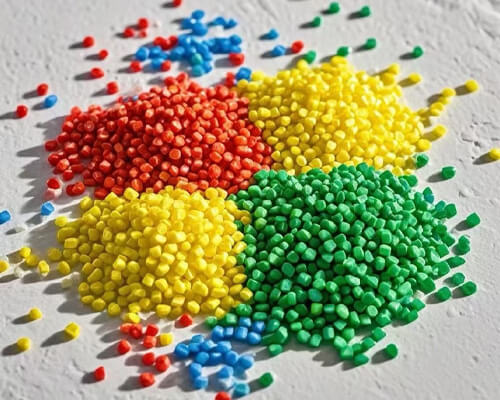
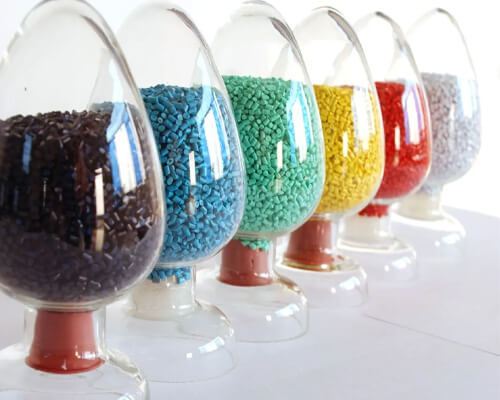
Styrene-Ethylene-Butylene-Styrene (SEBS) thermoplastic elastomer meets the needs of high-end applications in medical and consumer products.
SEBS, or Styrene-Ethylene-Butylene-Styrene, has built a strong reputation for blending flexibility with strength. In the world of materials, you don’t often see something that bends, stretches, and bounces back without losing shape or giving off that odd chemical smell. Manufacturers in healthcare and consumer goods have started pivoting toward SEBS because it answers real problems they face every day. Rubber gloves often tear after little use, cords on hospital monitoring devices harden and crack, and kids’ toys sometimes release that pungent plastic odor—none of these are problems anyone wants. SEBS handles these challenges with ease. It brings resistance to UV light, holds up against sweat and disinfectant, and skips the use of latex or unsafe plasticizers. In my years of trying to find gadget cases or sports gear that can withstand both rough handling and outdoor exposure, SEBS has been the only material that keeps looking and feeling fresh. Data from product recalls speak volumes: toys and skin-contact devices made from old plastics show a pattern of being pulled from shelves due to high phthalate content, breaking, or reports of allergic reactions, all areas where SEBS simply outperforms and reassures both businesses and parents.The world of hospitals, clinics, and even at-home health care throws every possible challenge at materials. In practice, devices need to go from hot water to cleaning alcohol, around arms and across beds, with no time for resting on shelves. SEBS steps up with a level of purity that's critical in environments where infection risk sits behind every curtain and at every patient bed. Unlike more archaic rubbers, SEBS skips the use of chemicals that can leach into the bloodstream or spark allergies. Its ability to absorb impact without splitting means tubing for IVs or catheters, seals on insulin pumps, and hand grips on surgical tools outlast the daily abuse of rigorous cleaning. Infection rates trace back, often, to cracked surfaces or micro-tears where bacteria thrive. Materials like SEBS, studied closely in peer-reviewed medical journals, show near-zero risk of leaching or surface damage even after round after round of sterilization. Hospitals doing cost analysis note a clear trend—gear made with SEBS doesn’t just last longer; it lowers the follow-up cost of replacements and patient safety events.Mass-market brands and startups alike scramble to keep up with ever-stricter standards from watchdogs, retailers, and plain old social media outrage. Baby strollers, teething rings, wearable fitness bands, and phone accessories all run the same gauntlet: no toxic chemicals, tough enough for repeated use, pleasant to touch, and not too expensive for the shelf or website. I remember testing out cheap earbud tips that left my ears sore from stiff, brittle material and soon switched to soft, smooth eartips made with SEBS. The difference in comfort and durability became obvious in days. Reviews don’t lie—consumers return time and again to products that last and feel good, and SEBS forms the backbone for many crowd-pleasing brands. Supply chain managers report lower returns on items using SEBS, while designers rave about how easy it is to color-tune, overmold, or create textured finishes. In a world full of overhyped materials promising the “future of comfort,” SEBS has, by simple real-world testing and user feedback, cemented a place among trusted modern materials.No material solves every problem. SEBS draws skepticism from some environmental circles due to its synthetic nature. True, it’s a step up from old-school PVC, especially with its recyclable potential and ability to avoid toxins like phthalates. But recycling streams often don’t recognize SEBS as easily as more common plastics, leading to confusion and waste. Possible solutions mean stronger labeling, clearer public information, and investment in end-of-life logistics for goods made with SEBS. Some companies have begun integrating SEBS into closed-loop manufacturing, breaking down material waste and reintroducing it as feedstock for new items. Government agencies need to keep standards high and support research into even safer, easier-to-recycle alternatives. Industry has an important part to play by being honest with consumers and designing for durability rather than quick profits. If there’s one thing my background in material science and product consulting has shown, it’s that good tech alone falls short without a full cycle plan and community engagement. People deserve to know what’s in their products and how those materials touch their lives and the planet.Brands, regulators, and consumers each walk a fine line between health, safety, comfort, durability, environmental impact, and cost. SEBS doesn’t promise miracles but steps into the fray with proven records across labs, hospitals, and store shelves. From insulin pens and inhalers to children’s swim goggles and the grip on your favorite water bottle, SEBS quietly supports daily routines with reliability and peace of mind. Keeping focus on the real needs—longer-lasting products, fewer allergens, and lower environmental impact—points the way forward. More research into biodegradation, more pressure on producers to use genuinely clean and recyclable grades, and more transparency all matter. Only with this approach does a powerful material like SEBS fulfill its promise across the industries where reliability matters most.
2026-01-20